Plastic has become one of the most widely used materials in modern society due to its durability, flexibility, and cost efficiency. However, the increasing amount of plastic waste has created significant environmental challenges. Traditional disposal methods such as landfill and incineration often result in resource loss and additional environmental pressure.
To solve this challenge, the plastic industry is moving toward advanced recycling technologies that can recover the original value of waste plastics. Plastic to Plastic (COMY PTP™) provides a closed-loop recycling solution that converts waste plastics into new plastic monomers and high-quality recycled plastics through advanced catalytic pyrolysis and reforming technologies.
Unlike conventional recycling methods that may downgrade plastic quality or convert waste into fuel products, Plastic to Plastic (COMY PTP™) focuses on maximizing material recovery. The technology enables waste plastics to be transformed into valuable chemical raw materials, supporting sustainable plastic production while reducing dependence on petroleum-based resources.
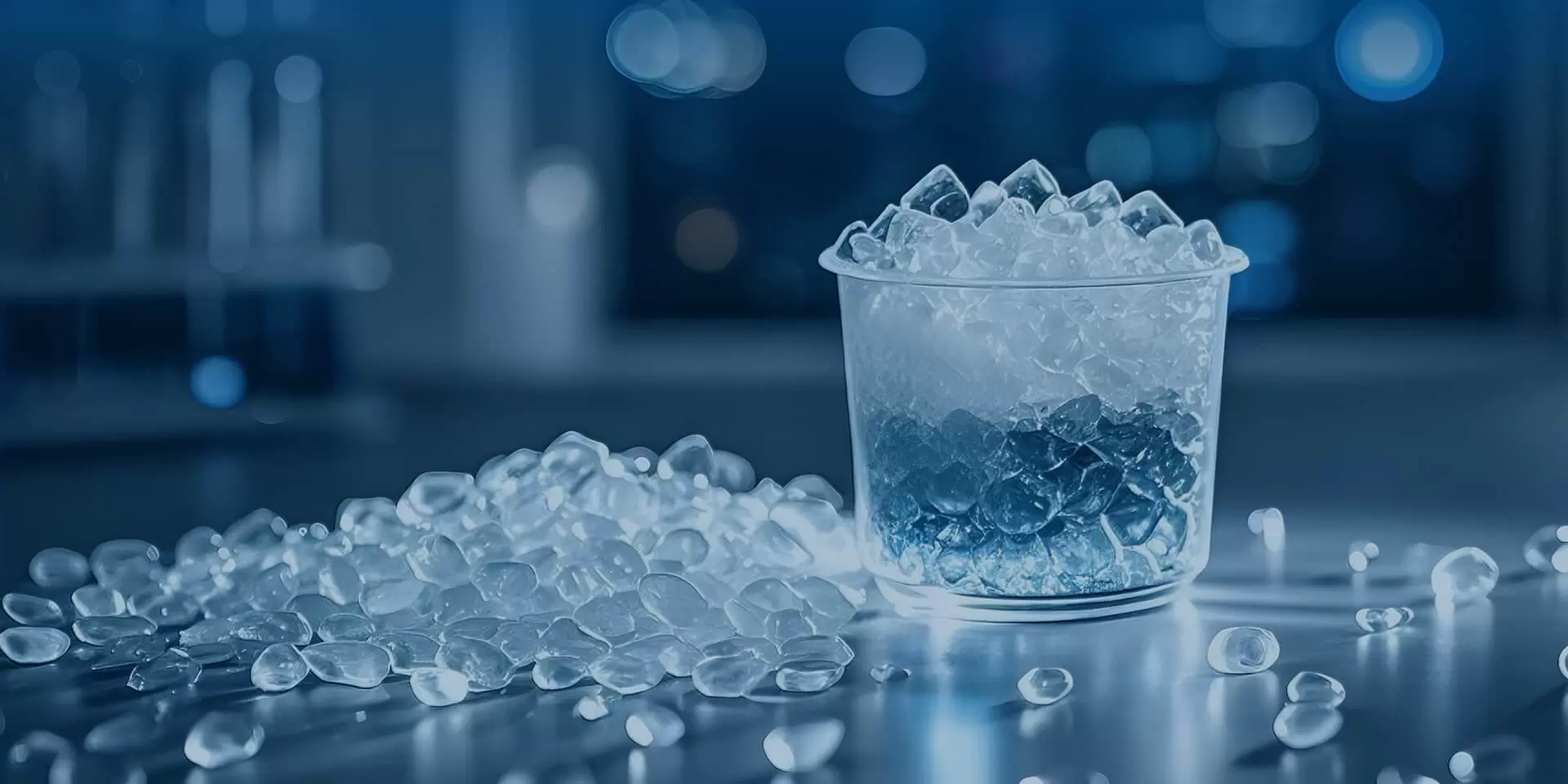
How Plastic to Plastic Technology Creates a Closed-Loop Recycling System
A true circular economy requires more than collecting waste plastics. It requires a technology that can return discarded materials back into the production cycle while maintaining high product quality.
The Plastic to Plastic (COMY PTP™) technology achieves this goal through a complete closed-loop process within a single facility. The process begins with waste plastic collection and crushing, followed by melting and heating treatment. Through highly selective catalytic pyrolysis of olefins and catalytic reforming, plastic polymers are broken down into valuable chemical components.
After condensation and refining, the recovered materials are processed through polymerization reactions and post-treatment to produce new plastic monomers and recycled plastics.
The complete process includes:
- Waste plastics crushing and preparation
- Melting and heating treatment
- Catalytic pyrolysis
- Condensation and refining
- Polymerization reaction
- Post-treatment and production of new plastic materials
Through this integrated process, waste plastics are not simply reduced or converted into lower-value products. Instead, they are transformed into high-value plastic resources that can re-enter manufacturing applications.
Advanced Catalytic Pyrolysis for High-Quality Plastic Production
The key advantage of Plastic to Plastic (COMY PTP™) lies in its advanced catalytic technology. COMY uses proprietary catalysts to efficiently convert mixed waste plastics into valuable chemical components, including propylene.
The process can also generate by-products such as BTX and liquefied substances, all derived from waste plastics and produced under controlled recycling conditions. These materials meet GRS certification requirements, providing traceability throughout the recycling process.
Compared with traditional plastic recycling methods, catalytic pyrolysis offers better flexibility when handling complex waste streams. Mixed plastics that are difficult to process through mechanical recycling can be converted into useful chemical building blocks through this technology.
This makes PTP technology particularly valuable for industries seeking reliable recycled raw materials without compromising product performance.
Producing Polymer-Grade Monomers from Waste Plastics
One major challenge in recycled plastics is maintaining the quality required for high-value applications. Many traditional recycling methods result in material degradation, limiting the possible applications of recycled plastics.
The Plastic to Plastic (COMY PTP™) technology addresses this issue by producing monomers with polymer-grade purity and minimal impurities. These high-quality monomers can be used to manufacture new plastics with performance characteristics comparable to petroleum-based materials.
For example, the recovered propylene can be used in polypropylene production, creating recycled plastic materials suitable for demanding applications. This allows manufacturers to incorporate recycled content while maintaining product quality and reliability.
By focusing on material recovery rather than fuel production, PTP technology improves recycling efficiency and helps industries move closer to a genuine circular plastic economy.
Reducing Carbon Emissions Through Sustainable Plastic Recycling
Environmental performance is becoming an increasingly important consideration for global manufacturers. Companies are looking for solutions that reduce carbon emissions while maintaining production efficiency.
The Plastic to Plastic (COMY PTP™) technology provides a low-carbon alternative to traditional petroleum-based plastic production. By converting waste plastics into new plastic materials, the technology reduces the need for virgin fossil-based resources and helps lower the overall carbon footprint of plastic manufacturing.
Another important advantage is that PTP achieves true “oil-free purification.” Unlike some plastic pyrolysis processes that produce fuel oil as the main output, COMY PTP™ maximizes the conversion of every ton of waste plastic into high-value resins and chemical materials.
This approach improves resource utilization and supports companies in achieving their sustainability targets.
COMY’s Experience in Chemical Recycling Innovation
The development of advanced recycling technology requires long-term research capabilities and practical industry experience.
COMY has spent nearly two decades focusing on chemical recycling and circular economy technologies with the mission of “Nurture Nature, Honor Life.” Through continuous research and process optimization, the company has developed proprietary solutions that transform discarded plastics into pyrolysis oil, monomers, and recycled plastics.
With a professional team of more than 50 specialists, COMY has established an independent technology system covering waste plastic recycling operations, chemical recycling technology, marketing, and project implementation. This integrated capability allows the company to provide complete solutions from process optimization to industrial-scale applications.
By combining technical expertise with practical project experience, COMY continues to develop innovative approaches for solving plastic waste challenges and supporting sustainable material production.
Supporting the Future of Sustainable Plastic Manufacturing
As global industries increase their focus on carbon reduction and resource efficiency, closed-loop recycling technologies are becoming essential for the future of plastics.
Traditional plastic production relies heavily on petroleum resources, while traditional recycling methods often struggle with material quality and efficiency. Plastic to Plastic (COMY PTP™) provides a different approach by creating a complete recycling pathway from waste plastic to new plastic.
The technology supports several important sustainability goals, including:
- Reducing plastic pollution
- Lowering carbon emissions
- Improving waste resource utilization
- Supporting circular economy development
- Reducing dependence on fossil resources
By integrating catalytic pyrolysis, refining, and polymerization technologies, COMY PTP™ enables waste plastics to become valuable raw materials for future plastic production.
Creating a True Circular Plastic Economy with PTP Technology
The future of plastics depends on the ability to recover materials efficiently and maintain their value throughout multiple lifecycles.
Through innovative catalytic conversion technology, Plastic to Plastic (COMY PTP™) provides an effective solution for transforming waste plastics into high-quality recycled materials. Its closed-loop process, recycling traceability certification, and polymer-grade product quality make it a practical choice for industries seeking sustainable plastic production solutions.
With continuous innovation from COMY, plastic waste can move from an environmental challenge to a valuable resource, helping global industries build a cleaner, more efficient, and more sustainable circular economy.