Polyolefin waste represents one of the largest and most difficult streams in the global plastic waste market. Materials such as polyethylene (PE) and polypropylene (PP) are widely used in packaging, consumer products, industrial components, agricultural films, containers, and many other applications. Their high production volumes also mean that large quantities eventually enter waste streams.
Mechanical recycling remains an important route for suitable plastic waste, but it has limitations when waste is mixed, contaminated, multilayered, or no longer suitable for producing materials with the required properties. Chemical recycling provides another option by using chemical processes to convert plastic waste into useful hydrocarbon feedstocks or monomers that can potentially be used again in plastic production and other applications.
For companies considering a chemical recycling project, choosing the right polyolefin recycling technology provider is an important technical and commercial decision. The provider is not simply supplying equipment. The technology, feedstock strategy, process design, product quality, project engineering, and long-term technical support all influence whether a recycling project can operate reliably and generate commercially useful products.
What Is Polyolefin Recycling Technology?
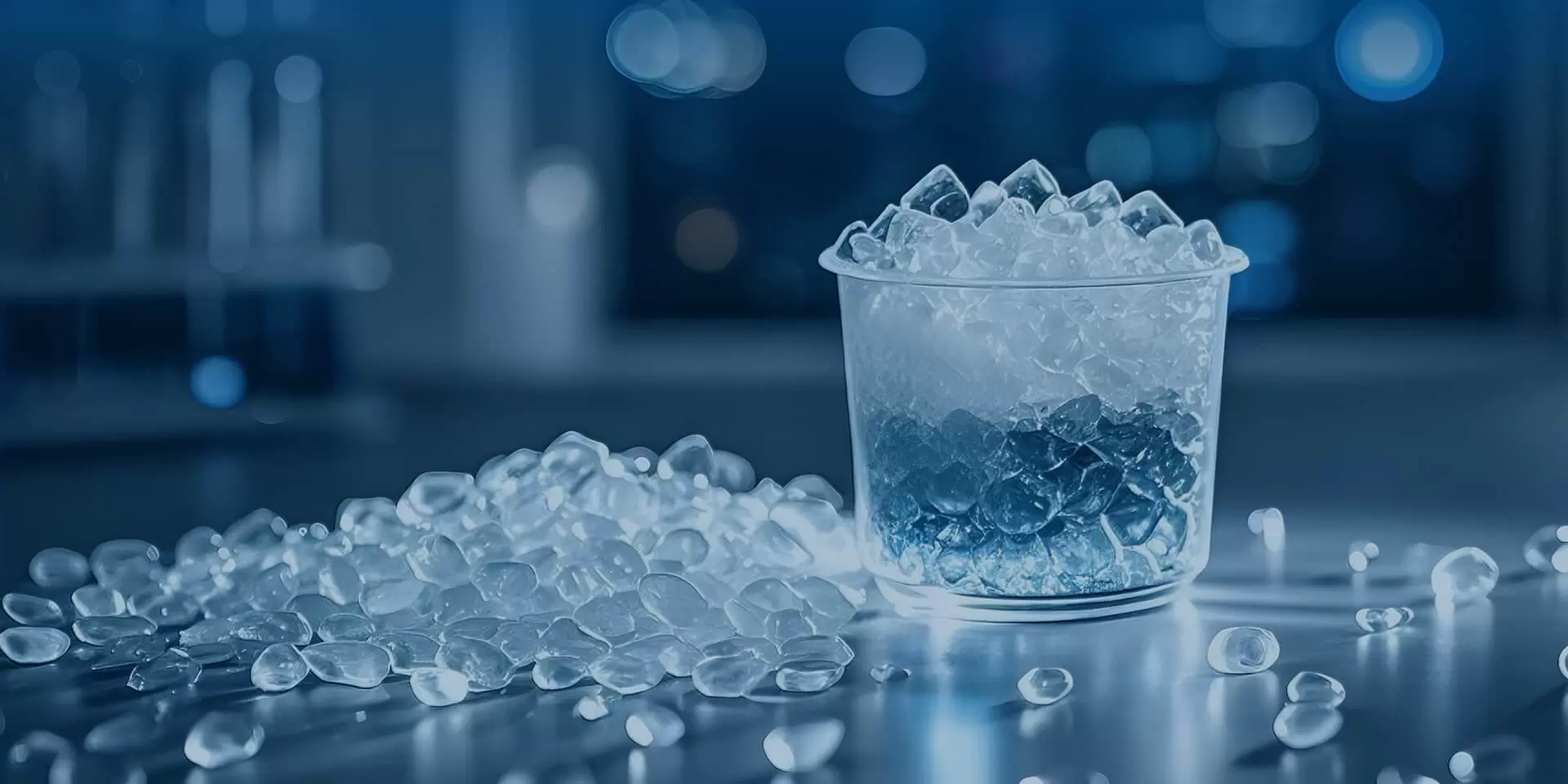
Polyolefin recycling technology refers to processes designed to recover value from polyolefin-based plastic waste, particularly polyethylene and polypropylene. Depending on the technology route and feedstock, recycling can produce secondary polymer materials, hydrocarbon products, chemical intermediates, or monomers.
Mechanical recycling normally involves sorting, cleaning, shredding, melting, filtration, and pelletizing plastic waste. It is effective when the incoming material is sufficiently clean and consistent. However, repeated thermal and mechanical processing can affect material properties, while certain waste streams are difficult to process mechanically because of contamination, additives, mixed polymers, multilayer structures, or degradation.
Chemical recycling takes a different approach. Instead of simply remelting the plastic, it uses chemical or thermochemical processes to break polymer structures into smaller molecules. For polyolefins, pyrolysis is one important chemical recycling route. Under controlled process conditions and in the absence of oxygen, polymer chains can be thermally decomposed into hydrocarbon products.
The resulting products can include pyrolysis oil and other hydrocarbon fractions. Depending on the technology and process configuration, some systems may also target monomer or monomer-rich products.
For a project developer, the important question is therefore not simply whether a technology can "recycle plastic." The more useful questions are:
What types of polyolefin waste can the process accept?
What level of contamination can it tolerate?
What products can it produce?
How consistent are those products?
What downstream applications are possible?
How does the process handle changing feedstock?
What pretreatment is required?
What are the major operating requirements?
How does the provider support commercial-scale implementation?
These questions should be addressed before selecting a technology partner.
Why Polyolefin Waste Is Suitable for Chemical Recycling
Polyolefins have become essential materials in modern industry because they combine relatively low density with useful mechanical, chemical, and processing properties. PE and PP are used extensively in flexible packaging, rigid packaging, pipes, films, automotive parts, household products, industrial packaging, and numerous consumer applications.
At the same time, these characteristics create recycling challenges.
Plastic waste may contain:
Polyethylene films
Polypropylene packaging
Mixed PE and PP waste
Post-consumer plastic packaging
Industrial plastic waste
Agricultural films
Flexible packaging residues
Rigid plastic products
Production-related plastic waste
Contaminated or difficult-to-recycle polyolefin streams
Some of these materials can be mechanically recycled efficiently when the waste stream is clean and properly sorted. Others may have limited value through conventional recycling routes.
Chemical recycling can expand the range of plastic waste that can potentially be recovered. Instead of requiring the waste to remain as a polymer during processing, chemical recycling converts the polymer into smaller chemical components.
This is particularly relevant for businesses handling large volumes of polyolefin waste that cannot consistently meet the specifications required by mechanical recycling.
What Does a Polyolefin Recycling Technology Provider Actually Supply?
A technology provider should offer more than a process concept. For an industrial customer, the value of a recycling technology lies in its ability to connect feedstock, process operation, product quality, and commercial objectives.
A competent polyolefin recycling technology provider should be able to discuss the project across several levels.
1. Feedstock Assessment
Feedstock is the starting point of any chemical recycling project.
A provider needs to understand the actual waste stream rather than relying on a generic description such as "plastic waste." Polyolefin waste can vary significantly in composition, moisture, contamination, additives, ash content, and physical form.
A proper technical assessment should consider:
Polymer composition
PE and PP proportions
Moisture content
Foreign materials
Metals
Inorganic contaminants
PVC or other incompatible polymers
Additives
Fillers
Colorants
Residual food or organic contamination
Particle size and physical form
Feedstock consistency
The purpose is to determine whether the proposed process is compatible with the customer's actual material.
This is one of the first areas where an experienced technology provider can reduce project risk. A process that performs well with laboratory-grade plastic samples may behave very differently when exposed to real commercial waste.
2. Feedstock Pretreatment
Pretreatment is often underestimated when evaluating chemical recycling projects.
Plastic waste rarely arrives in a condition that can be fed directly into a thermochemical process. Depending on the source, the material may require sorting, shredding, drying, separation, removal of foreign materials, or other preparation steps.
The appropriate pretreatment system depends on the feedstock.
For example, a relatively clean industrial polyolefin stream may require substantially less preparation than mixed post-consumer packaging waste. Agricultural film may contain soil and other contaminants. Commercial packaging waste may contain labels, inks, adhesives, moisture, and non-polyolefin components.
A technology provider should therefore define the feedstock specification and explain the relationship between pretreatment quality and downstream process performance.
3. Core Chemical Recycling Process
The central technology converts polyolefin waste into useful chemical products.
For pyrolysis-based chemical recycling, polymer chains are thermally decomposed in a controlled environment. The process must manage heat transfer, residence time, vapor handling, separation, condensation, and product recovery.
The exact process configuration can vary between technology platforms.
For customers, the important consideration is not whether a provider uses a particular technical term, but whether the process has been developed for the customer's feedstock and target products.
A credible provider should be able to explain:
The basic reaction pathway
Feedstock preparation requirements
Process control strategy
Material handling
Vapor and product handling
Product separation
Residue management
Gas management
Energy integration
Safety systems
Environmental controls
Operating and maintenance requirements
Technical transparency at this stage is valuable because it allows project developers and engineering teams to identify potential gaps before investment decisions are made.
Pyrolysis Oil as a Recovered Chemical Feedstock
One important product from polyolefin chemical recycling is pyrolysis oil.
Pyrolysis oil generated from plastic waste can potentially serve as a feedstock for further refining and chemical processing. Its suitability for a specific application depends on its composition, contaminants, stability, and the requirements of the downstream process.
This distinction is important for B2B buyers.
A recycling company should not evaluate pyrolysis oil solely by its appearance or by a single headline specification. The downstream customer may require a defined chemical composition and consistent quality over time.
Therefore, product characterization is a critical part of technology evaluation.
Depending on the intended application, customers may need information relating to:
A reliable technology partner should understand that producing a liquid product is only one part of the project. Producing a consistent product that has a clear commercial application is much more important.
Plastic Monomers and Circular Feedstocks
Another approach to chemical recycling focuses on producing chemical building blocks that can contribute to new plastic production.
COMY Environmental Technology develops chemical recycling technologies that transform plastic waste into valuable chemical products such as COMY Oil and COMY Monomer. These products are intended to provide feedstocks for new plastics and other low-carbon circular materials.
For customers, the commercial significance of this approach lies in creating a pathway from waste plastic back into the chemical value chain.
Instead of treating waste plastic as a material that has reached the end of its useful life, chemical recycling can potentially recover its chemical value.
This creates opportunities for businesses across several stages of the value chain, including waste management companies, chemical companies, plastic producers, recyclers, and organizations seeking circular feedstock solutions.
However, the specific product route should always be evaluated according to the actual feedstock, process configuration, product specifications, and downstream requirements.
Why Feedstock Flexibility Matters
One of the biggest practical issues in chemical recycling is feedstock variability.
A project may initially be designed around a relatively consistent plastic waste stream. Several years later, however, the supply situation may change. Waste suppliers may change, collection systems may evolve, or the composition of incoming material may become less predictable.
A technology platform that depends on a very narrow feedstock specification can therefore create operational challenges.
When comparing a polyolefin recycling technology provider, project owners should ask how the technology responds to feedstock variation.
Useful questions include:
What PE and PP compositions can be processed?
Can mixed polyolefin streams be handled?
What contaminants are unacceptable?
What pretreatment is required?
How does moisture affect operation?
How are non-polyolefin materials removed?
What happens when feedstock composition changes?
How is product quality monitored?
What operating adjustments are available?
What laboratory testing is required before accepting a new feedstock?
The objective is not necessarily to find a process that accepts every type of plastic. A well-defined feedstock envelope is often more useful than an unrealistic claim of universal compatibility.
Chemical Recycling Requires More Than a Reactor
When businesses evaluate chemical recycling technologies, they sometimes focus heavily on the reactor or primary processing unit.
In reality, an industrial recycling system is much more comprehensive.
The overall process may include:
Feedstock receiving → sorting → size reduction → pretreatment → feeding → chemical conversion → vapor handling → condensation or separation → product treatment → product storage → residue and gas management
Each stage affects the overall system.
For example, poor feedstock preparation can introduce contaminants into the conversion process. Inadequate feeding can affect process stability. Poor vapor management can influence product recovery. Insufficient separation can make the final product unsuitable for its intended application.
A serious technology assessment should therefore examine the complete process rather than a single piece of equipment.
How to Evaluate a Polyolefin Recycling Technology Provider
Choosing a technology provider requires both technical and commercial due diligence.
The following areas should be evaluated before signing a major project agreement.
Technical Development Experience
Ask how long the technology has been developed and what types of feedstock have been tested.
Development history matters because chemical recycling involves many practical variables that cannot be fully understood through theoretical calculations alone.
Experience with real waste streams can reveal issues related to contamination, material handling, process stability, residue generation, and product consistency.
Demonstrated Process Knowledge
The provider should be able to explain the process clearly to technical stakeholders.
The explanation should cover the relationship between feedstock quality, process conditions, product quality, and downstream applications.
If a provider cannot clearly explain these relationships, the customer should conduct additional technical due diligence.
Product Quality Control
The project should begin with a defined product strategy.
For example, if the target is pyrolysis oil, the customer should understand what quality parameters are expected and what downstream application is being considered.
If the target includes monomers or other chemical products, the required specifications may be different.
Product quality should therefore be considered from the beginning rather than after the process has been selected.
Scale-Up Capability
Laboratory testing, pilot development, demonstration operation, and commercial-scale deployment are different stages of technology development.
A technology provider should be able to explain how its process moves between these stages.
Customers should ask for evidence that the process has progressed beyond theoretical or laboratory development where commercial-scale operation is required.
Engineering Integration
Chemical recycling projects require integration between process technology and supporting systems.
These may include:
The provider's role in engineering integration should be clearly defined.
Questions Buyers Should Ask Before Selecting a Technology Partner
A structured technical questionnaire can make supplier evaluation more efficient.
Feedstock Questions
What plastic types are suitable?
What is the maximum acceptable contamination level?
What pretreatment is required?
How much feedstock variability can the process tolerate?
What laboratory testing is recommended?
Process Questions
What is the chemical recycling route?
How is the process controlled?
What are the key operating parameters?
How are vapors and products handled?
How are residues managed?
What process monitoring systems are required?
Product Questions
What products are expected?
What are their typical characteristics?
How is product quality monitored?
What downstream applications are possible?
Can product specifications be adjusted according to customer requirements?
Commercial Questions
What project information is required for a technical proposal?
What engineering services are included?
What commissioning support is available?
What operator training is provided?
What technical support is available after startup?
How are future feedstock changes evaluated?
The purpose of these questions is not simply to compare suppliers. They help determine whether the technology is appropriate for the customer's actual business model.
Polyolefin Recycling for Waste Management Companies
Waste management companies are increasingly looking for alternatives for plastic streams that are difficult to recover through conventional mechanical recycling.
For these businesses, chemical recycling can create another outlet for selected polyolefin waste.
However, the economics depend heavily on feedstock logistics.
Transportation distance, collection costs, sorting requirements, contamination, and feedstock availability all influence the feasibility of a project.
A technology provider should therefore consider the customer's waste supply chain rather than evaluate the process in isolation.
A practical project assessment should map the path from waste generation to final chemical product.
For example:
Waste source → collection → sorting → pretreatment → chemical recycling → recovered chemical products → downstream customer
Each step has an economic and technical impact.
Polyolefin Recycling for Chemical and Plastic Companies
Chemical and plastic companies may approach recycling from a different perspective.
Their primary concern may be the availability of suitable circular feedstock rather than waste disposal.
If chemical recycling products can meet the requirements of downstream chemical processes, recovered materials may become part of a broader circular raw material strategy.
This can create cooperation opportunities between recyclers and chemical producers.
For such customers, product quality, consistency, traceability, and supply reliability become especially important.
A technology provider must therefore understand not only how to process plastic waste, but also how the resulting products fit into the downstream chemical value chain.
Why Process Data Matters in Technology Selection
B2B technology purchasing should be based on measurable information.
A project developer should request appropriate technical documentation covering the proposed process and product strategy.
Depending on the project stage, useful information may include:
The level of detail should increase as the project progresses.
At the initial stage, a high-level technical discussion may be sufficient. Before investment approval, however, the customer should have enough information to assess engineering feasibility, product markets, operating requirements, and project risks.
The Importance of Pilot and Feedstock Testing
Testing representative feedstock is one of the most practical ways to reduce uncertainty.
A sample collected from a waste supplier should represent the actual material that the future plant is expected to receive.
Testing should not rely only on a clean plastic sample if the commercial feedstock will contain mixed or contaminated materials.
A technology provider can use feedstock testing to determine:
Material composition
Contamination profile
Pretreatment requirements
Process suitability
Expected product characteristics
Potential operational challenges
For project developers, this information can improve the accuracy of the technical proposal and reduce the risk of designing a system around unrealistic assumptions.
Designing for Consistent Operation
Chemical recycling projects are industrial processes. Consistent operation is therefore more important than impressive laboratory results.
Several factors influence operational consistency.
Feedstock preparation must remain stable. Feeding systems must deliver material at a controlled rate. Process conditions must be monitored. Product recovery systems must operate continuously or according to the designed production cycle.
Process control becomes particularly important when feedstock characteristics vary.
A capable polyolefin recycling technology provider should therefore consider operational stability during the technology development process.
The objective is to create a system that can be operated, monitored, maintained, and optimized by an industrial team.
Environmental Performance Should Be Evaluated Quantitatively
Chemical recycling is often discussed in the context of the circular economy and lower-carbon materials. These objectives are important, but project evaluation should still be based on measurable data.
A complete environmental assessment may consider:
The environmental profile depends on the specific project configuration.
For this reason, companies should avoid evaluating technology solely through broad sustainability claims. The more useful approach is to examine the actual process, energy requirements, feedstock, products, and downstream applications.
The Role of Technical Support After Project Delivery
Technology selection does not end when the system is installed.
The early operating period is important for identifying optimization opportunities and adapting the process to real-world feedstock.
Customers may need support with:
Long-term technical cooperation can be particularly valuable when a project processes multiple waste streams.
As the customer's feedstock supply changes, the technology provider may need to evaluate whether process parameters or pretreatment strategies should be adjusted.
COMY Environmental Technology's Approach to Plastic Chemical Recycling
COMY Environmental Technology focuses on chemical recycling solutions for plastic waste.
With 16 years of development in plastic chemical recycling, COMY has developed technologies designed to transform plastic waste into economically valuable chemical products, including COMY Oil and COMY Monomer.
The company's approach is based on recovering chemical value from plastic waste rather than treating waste solely as a disposal problem.
COMY's technology solutions are intended to support the conversion of suitable plastic waste into chemical feedstocks that can contribute to new plastics and other circular materials.
For customers evaluating a chemical recycling project, this approach can provide a basis for discussing several important project questions:
What plastic waste is available?
Which chemical recycling route is suitable?
What level of pretreatment is necessary?
What products should the project target?
What downstream markets can use those products?
How can the process be integrated into an existing industrial operation?
What technical information is needed before project development?
These questions form the basis of a practical technology assessment.
Building a Chemical Recycling Project Around the Feedstock
A common mistake in recycling project development is selecting a technology first and looking for feedstock afterward.
A more practical approach is to start with the waste stream.
The project developer should identify the volume, composition, location, seasonal variation, contamination, and expected long-term availability of the plastic waste.
Once the feedstock is understood, the technology can be evaluated against actual requirements.
This approach can help avoid several common problems:
Selecting a process that requires cleaner material than the available waste
Underestimating pretreatment requirements
Designing around an unstable feedstock supply
Producing a product without a clear downstream market
Underestimating residue handling requirements
Overlooking utility and infrastructure requirements
A technology provider should participate in this assessment rather than simply present a standard process package.
From Waste Plastic to Circular Chemical Value
The long-term objective of chemical recycling is not simply to process more waste. The objective is to create a reliable connection between waste collection and the chemical value chain.
For polyolefin waste, this means recovering material that would otherwise have limited recycling options and converting it into useful chemical products.
The value chain can involve multiple participants:
Waste generators → waste collection companies → sorting and pretreatment operators → chemical recycling technology providers → recyclers → chemical companies → plastic producers → end users
Each participant has different requirements.
Waste companies focus on reliable waste outlets. Technology providers focus on process performance. Chemical companies focus on feedstock specifications. Plastic producers focus on material quality and supply consistency.
Successful projects need to connect these requirements.
What Makes a Technology Provider a Suitable Long-Term Partner?
The best provider is not necessarily the company with the most complicated process description or the largest equipment list.
A suitable technology partner should be able to connect technical knowledge with practical project requirements.
Key factors include:
Relevant experience: The provider should understand polyolefin waste and chemical recycling applications.
Feedstock knowledge: The provider should evaluate the actual waste stream rather than rely on generic assumptions.
Process transparency: The technology should be explained clearly enough for engineering and procurement teams to assess it.
Product orientation: The provider should understand the quality requirements of the recovered chemical products.
Scale-up capability: The provider should have a defined pathway from testing to industrial implementation.
Engineering support: The provider should understand how the process integrates with supporting systems.
Technical service: The provider should remain involved when customers encounter real operating conditions.
These factors are more meaningful than simply comparing equipment specifications.
A Practical Procurement Checklist
For companies currently searching for a polyolefin recycling technology provider, the following checklist can be used during the initial supplier screening process.
Feedstock
Technology
Products
Project Execution
Commercial Evaluation
This checklist can help procurement teams move from general interest to a structured technical evaluation.
Why the Right Technology Partner Matters
Chemical recycling projects require coordination across feedstock, process technology, engineering, product quality, environmental management, and downstream markets.
A technology provider that only focuses on the conversion stage may leave customers with unresolved problems elsewhere in the value chain.
A more complete approach starts with the customer's waste stream and follows the material through the entire process.
For polyolefin recycling, this means understanding the characteristics of PE and PP waste, determining appropriate pretreatment, selecting a suitable chemical conversion route, controlling the process, recovering useful products, and connecting those products with downstream applications.
The goal is a commercially practical recycling system rather than a process that works only under controlled test conditions.
Conclusion
Polyolefin recycling is becoming an important part of the broader effort to recover value from plastic waste that cannot always be effectively handled through conventional mechanical recycling.
For businesses considering chemical recycling, selecting a polyolefin recycling technology provider should be based on much more than equipment specifications. Feedstock compatibility, pretreatment requirements, process stability, product quality, scale-up experience, engineering integration, environmental controls, and technical support all need to be evaluated together.
Chemical recycling can create a pathway for transforming polyolefin waste into useful chemical products such as pyrolysis oil and monomer-based feedstocks. The commercial value of the process ultimately depends on whether the technology can consistently convert the customer's actual waste stream into products that have a clear downstream application.
COMY Environmental Technology has focused on plastic chemical recycling for 16 years, developing technologies that transform plastic waste into valuable chemical products such as COMY Oil and COMY Monomer. By connecting waste plastic with chemical feedstock production, COMY aims to provide practical recycling solutions for customers seeking to develop circular material projects.
For companies evaluating a new polyolefin chemical recycling project, the most effective starting point is a detailed discussion of the available feedstock, target products, site conditions, processing requirements, and downstream applications. These factors provide the technical foundation for determining whether a proposed recycling technology is suitable for a specific project and business model.