Feb 05,2026
Plastic to Pyrolysis Oil Solution: A Sustainable Pathway for Plastic Waste Conversion


Plastic waste has become one of the most challenging environmental issues worldwide. Large amounts of discarded plastics are difficult to manage through traditional recycling methods due to mixed materials, contamination, and reduced economic value. As industries continue to seek sustainable solutions, chemical recycling technologies are becoming increasingly important for converting waste plastics into valuable raw materials.
Plastic to Pyrolysis Oil (COMY PTO™) provides an innovative approach to plastic waste management by using low-temperature and low-pressure catalytic pyrolysis and reforming processes to convert waste plastics into high-quality pyrolysis oil. This technology enables discarded plastic materials to be transformed into liquid hydrocarbons that can be used as alternative feedstocks for chemical production, supporting the development of a low-carbon circular economy.
Unlike conventional disposal methods, Plastic to Pyrolysis Oil (COMY PTO™) focuses on resource recovery by returning waste plastics back into valuable chemical resources. Through advanced catalytic technology, the process helps reduce dependence on petroleum-based raw materials while creating new possibilities for sustainable chemical manufacturing.
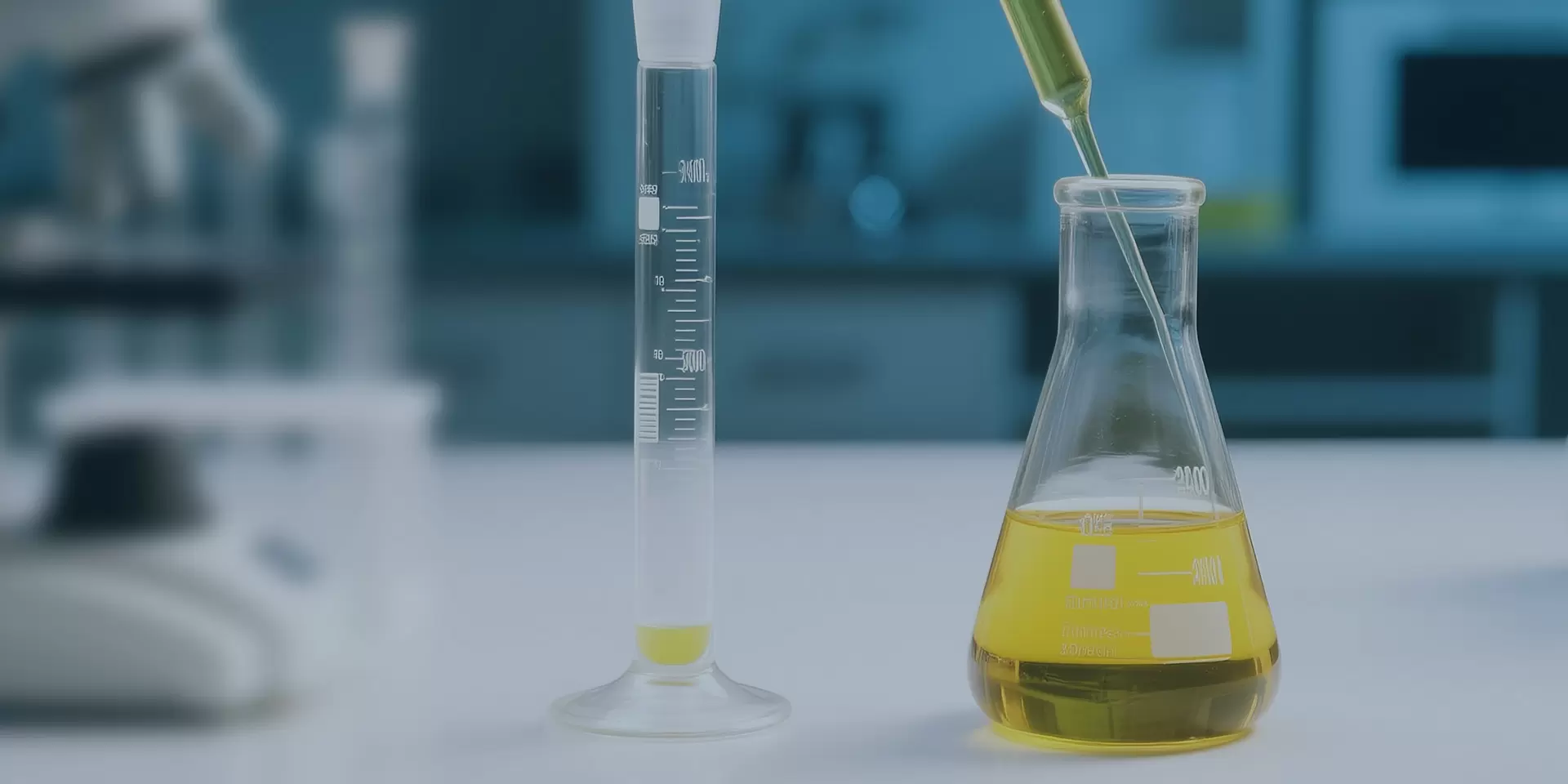
The production process of plastic pyrolysis oil involves several important stages, including waste plastic preparation, catalytic pyrolysis, catalytic reforming, condensation, and refining.
The first step is waste plastic crushing and feeding. Different types of plastic waste can be processed after simple pre-treatment, allowing the technology to handle a wide range of low-value plastic materials.
During the catalytic pyrolysis stage, plastics are heated under controlled conditions. The use of catalysts helps break down complex polymer structures into smaller hydrocarbon molecules. Through catalytic reforming, these molecules are further optimized to produce higher-quality liquid hydrocarbons.
After condensation and refining, the final pyrolysis oil contains valuable light components, including hydrocarbons in the C5-C22 range. These components have characteristics similar to petroleum-derived raw materials and can be used in further chemical processing applications.
The complete process allows waste plastics to move from an end-of-life material into a valuable industrial resource, creating a more sustainable alternative to traditional plastic waste treatment.
One of the major advantages of Plastic to Pyrolysis Oil (COMY PTO™) is its ability to combine environmental benefits with industrial value.
Reducing carbon emissions has become a key goal for many industries. Plastic pyrolysis technology provides a pathway to reduce the environmental impact associated with traditional plastic disposal methods.
By converting waste plastics into reusable chemical feedstocks, COMY PTO™ helps reduce the need for new petroleum extraction and supports the production of low-carbon circular chemical products. After obtaining ISCC certification, the resulting materials can be used in applications that require sustainable and traceable recycled content.
This approach helps companies improve their environmental performance while supporting global circular economy development.
One challenge in plastic recycling is the variety of waste materials available. Different plastic types, contamination levels, and sources can make recycling difficult.
The Plastic to Pyrolysis Oil (COMY PTO™)technology offers strong adaptability and can process various low-value plastic wastes with only simple pre-treatment requirements. This flexibility makes it suitable for different waste management scenarios, including industrial plastic waste streams and mixed plastic recycling projects.
By reducing dependence on highly selective input materials, the technology provides a practical solution for large-scale plastic waste utilization.
The quality of recovered oil determines the commercial potential of plastic recycling technology. COMY PTO™ produces high-quality pyrolysis oil rich in light hydrocarbon components.
These liquid hydrocarbons can be further processed into valuable chemical materials such as naphtha, gasoline, and diesel fractions. They can also serve as substitutes for petroleum-based feedstocks in pyrolysis furnaces, supporting the production of recycled chemical products with comparable performance to traditional materials.
The development of reliable chemical recycling technology requires continuous testing and process optimization. COMY has established different pilot-scale testing systems to verify and improve its catalytic pyrolysis technology.
The technology testing process includes multiple reactor types and operating methods:
These different testing platforms allow engineers to evaluate process performance under various operating conditions and optimize key parameters for industrial applications.
Through continuous improvement and practical testing, Plastic to Pyrolysis Oil (COMY PTO™) has developed into a reliable technology solution for companies seeking efficient plastic recycling and circular chemical production methods.
Behind every advanced recycling technology is a strong focus on research, development, and long-term innovation.
COMY has spent nearly two decades developing chemical recycling and circular economy technologies under the mission of “Nurture Nature, Honor Life.” The company focuses on solving plastic waste challenges by transforming discarded plastics into pyrolysis oil and monomers.
Through continuous research and process optimization, COMY has developed proprietary technologies that enable recycled plastics to achieve quality levels comparable to petroleum-based plastics. These recycled materials are suitable for high-value applications, including food packaging and medical devices, where strict safety and quality requirements must be met.
With a professional team of more than 50 experts, COMY has built an independent technology system covering waste plastic recycling operations, chemical recycling processes, marketing, and project implementation. This integrated capability allows the company to provide comprehensive solutions from technology optimization to industrial-scale application.
The demand for sustainable plastic solutions continues to grow as governments and industries focus on reducing pollution and carbon emissions.
Chemical recycling technologies such as Plastic to Pyrolysis Oil (COMY PTO™) provide an effective pathway for addressing several global challenges, including white pollution, resource shortages, and energy sustainability.
By converting waste plastics into valuable oil resources, COMY PTO™ helps create a closed-loop material cycle. Instead of treating plastic waste as unusable material, companies can recover its chemical value and return it to industrial production systems.
This technology supports multiple sustainability goals:
The transition from a linear “produce-use-dispose” model to a circular economy requires advanced technologies that can recover value from waste materials.
With its low-temperature catalytic pyrolysis process, high adaptability, and ability to produce valuable pyrolysis oil, Plastic to Pyrolysis Oil (COMY PTO™)offers a practical solution for modern plastic recycling challenges.
As industries continue to search for sustainable alternatives to petroleum-based resources, chemical recycling will play an increasingly important role in building a low-carbon future. Through continuous innovation and technology development, COMY is helping transform waste plastics into valuable resources and supporting the global movement toward a more sustainable circular economy.